
Does Pu’er tea expire? Properly stored Pu’er tea does not usually expire like fresh food or delicate green tea. As a fermented tea, Pu’er can age for years and may develop a smoother, deeper flavour over time. However, poor storage, excess moisture, mould, heat, and strong odours can damage the tea and make it unpleasant or unsafe to drink.
Pu’er tea is one of the few teas known for its ageing potential. While many teas are best enjoyed soon after production, Pu’er can continue to change in aroma, texture, and taste when stored correctly. This makes it popular among tea collectors, daily tea drinkers, and anyone who enjoys rich, earthy, and complex tea.
At Upon a Tea, we know many tea lovers in the United States want to understand Pu’er tea shelf life, storage, freshness, and safety before buying or brewing. The good news is that Pu’er tea can last for many years, but its quality depends heavily on how it is stored.
Why Pu’er Tea Lasts Longer Than Many Other Teas?
Pu’er tea comes from Yunnan, China, and is made from large-leaf tea trees. Unlike green tea, white tea, or lightly oxidised oolong tea, Pu’er undergoes fermentation and ageing. This unique process gives Pu’er its distinctive earthy aroma, smooth mouthfeel, dark liquor, and layered flavour.
There are two main types of Pu’er tea: raw Pu’er and ripe Pu’er.
- Raw Pu’er, also called Sheng Pu’er, ages naturally over time. When young, it can taste fresh, bright, floral, grassy, bitter, or slightly astringent. As it matures, it may become smoother, sweeter, softer, and more complex.
- Ripe Pu’er, also called Shou Pu’er, goes through an accelerated fermentation process. It is often dark, mellow, earthy, and smooth, making it a popular choice for beginners who enjoy a rich and comforting cup.
Because Pu’er is a fermented tea, its shelf life is different from most everyday teas. Instead of simply going stale, high-quality Pu’er can slowly develop notes of wood, dried fruit, earth, herbs, honey, leather, or camphor when kept in the right conditions.
Does Pu’er Tea Get Better With Age?
Pu’er tea can get better with age, but not every Pu’er automatically improves. Ageing depends on the tea’s quality, processing method, storage environment, humidity, airflow, and temperature.
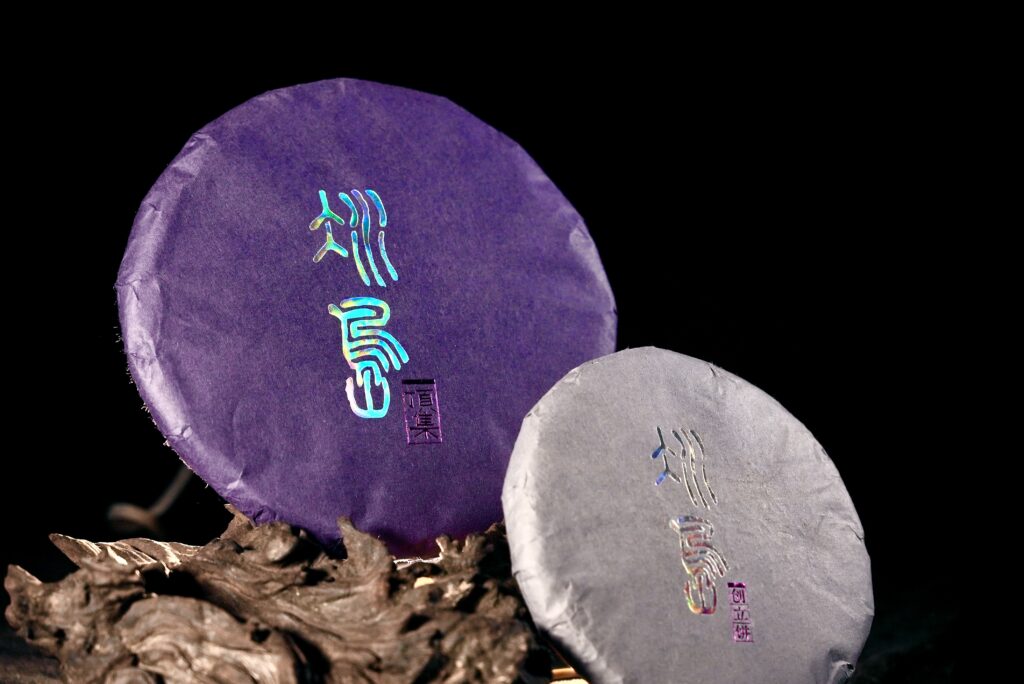
A well-made Pu’er tea cake stored in a clean, stable environment may become smoother and more balanced over several years. The bitterness may soften, the aroma may deepen, and the texture may feel rounder on the palate.
However, poor-quality Pu’er or badly stored tea may not improve. Instead, it can become flat, sour, stale, musty, or unpleasant. Age alone does not guarantee better tea. The key is proper Pu’er tea storage.
How to Tell If Pu’er Tea Has Gone Bad
Although Pu’er tea does not have a strict expiration date, it can go bad under the wrong conditions. Moisture is the biggest risk. Too much humidity can lead to mould, while poor ventilation can create stale or damp aromas.
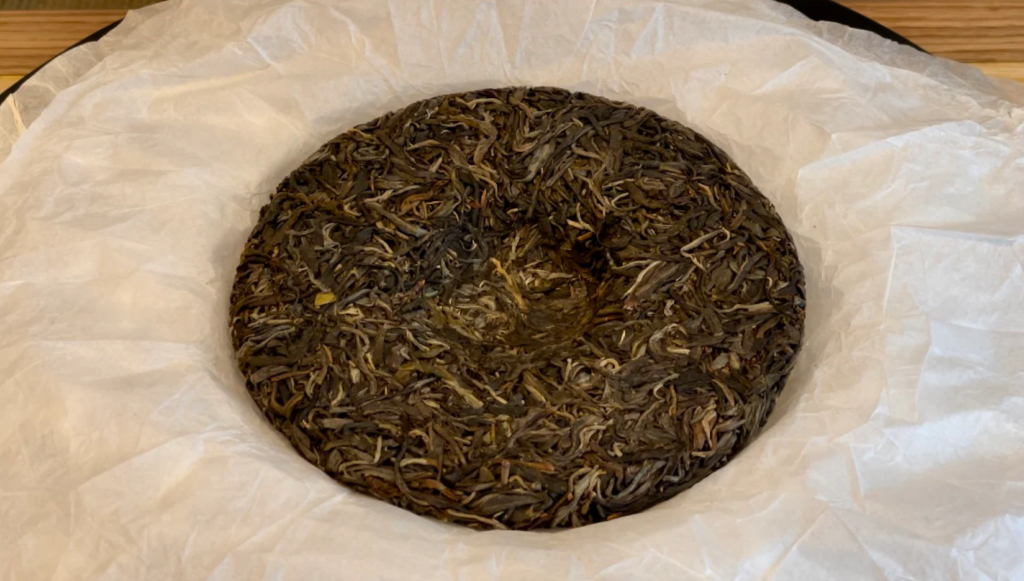
Signs that Pu’er tea may no longer be safe or enjoyable include visible mould, fuzzy white or green spots, a sour smell, rotten odour, chemical-like aroma, unusual stickiness, or a taste that feels harsh and unpleasant.
It is important to understand the difference between aged aroma and spoilage. Ripe Pu’er tea often has a natural earthy scent, but it should not smell rotten, dirty, or like a damp basement. Clean earthiness is normal. Sharp mouldy odours are not.
When in doubt, avoid drinking the tea.
How to Store Pu’er Tea Properly
Proper storage helps protect the flavour, aroma, and long-term quality of Pu’er tea. Keep Pu’er away from direct sunlight, high heat, excess moisture, and strong smells. Tea easily absorbs surrounding odours, so it should not be stored near spices, coffee, cleaning products, perfumes, or scented candles.
Pu’er tea also benefits from gentle airflow. Many tea drinkers store Pu’er cakes in their original paper wrapping, cardboard boxes, ceramic jars, or breathable containers. Unlike some teas, Pu’er is not always best kept in airtight packaging because limited airflow can support slow, natural ageing.
For tea drinkers in the United States, home storage conditions may vary by region. In humid climates, it is important to prevent mould by keeping the tea in a dry, clean space. In very dry climates, ageing may happen more slowly. A cupboard with stable temperature, moderate humidity, and no strong odours is usually a good choice.
How Long Does Pu’er Tea Last?
Pu’er tea can last for many years when stored correctly. Ripe Pu’er is usually ready to drink soon after purchase and may continue to mellow over time. Raw Pu’er can change more noticeably as it ages, especially when stored under suitable conditions.
Compressed Pu’er tea cakes often age more slowly than loose leaf Pu’er because less surface area is exposed to air. Mini Pu’er tea portions, tuo cha, and loose leaf Pu’er are convenient for daily brewing, but they still need protection from moisture, sunlight, and odours.
If your Pu’er tea has a best-before date, treat it as a quality guide rather than a strict expiration date. The tea may still be drinkable after that date if it has been stored well. Always check the smell, appearance, and taste before brewing.
Enjoy Pu’er Tea With Confidence
So, does puer tea expire? Pu’er tea does not usually expire like perishable food, but it can lose quality or become unsafe if stored poorly. With proper storage, Pu’er tea can remain enjoyable for years and may even develop a richer, smoother, and more complex character over time.
Upon a Tea offers thoughtfully selected Pu’er teas for people who appreciate tradition, flavour, and a more mindful tea experience. Whether you are new to fermented tea or already enjoy aged Pu’er, storing it correctly will help you get the best from every brew.