
What makes a good tea is the quality of the leaves, where they are grown, how they are processed, how fresh they are, and how well they brew. A good tea should smell natural, taste balanced, feel smooth, and leave a pleasant finish. Whether you enjoy green tea, black tea, oolong, white tea, or Pu’er, quality starts with the leaf.
For many tea drinkers in the United States, choosing tea can feel confusing. Some teas are sold as premium, organic, loose leaf, aged, single-origin, or hand-picked, but those labels do not always explain what makes one tea better than another. While personal taste matters, there are clear signs of quality that can help you choose a better cup.
At Upon a Tea, we believe good tea should offer more than flavour. It should feel clean, comforting, and thoughtfully made. From aroma and texture to freshness and storage, every detail affects the final experience in your cup.
Good Tea Starts With Better Tea Leaves
The foundation of any good tea is the leaf itself. High-quality tea usually comes from carefully selected leaves, buds, or whole-leaf material rather than broken pieces, excessive stems, or tea dust. Whole leaf tea often provides a fuller aroma, smoother taste, and more complex flavour because the leaves can slowly open during brewing.
Good tea leaves should look clean and consistent for their style. They should not appear overly dusty, faded, or stale. Green tea may have a fresh green appearance, black tea may look dark and twisted, oolong tea may be rolled or curled, and Pu’er tea may be compressed into cakes, bricks, or small portions.
The aroma of dry tea leaves is also important. Quality tea should smell natural and inviting. Depending on the type, it may have notes of flowers, grass, malt, honey, fruit, wood, earth, roasted nuts, or herbs. If the tea smells flat, musty, sour, or artificial, it may not deliver a good brewing experience.

Origin and Growing Conditions Shape the Taste
Tea is deeply influenced by where it is grown. Soil, altitude, climate, rainfall, sunlight, and harvest season all affect the flavour of the tea leaves. This is why teas from different regions can taste completely different, even when they come from the same tea plant.
This connection between place and flavour is often called terroir. A high mountain tea may taste lighter, cleaner, and more aromatic, while tea from warmer regions may feel richer or fuller-bodied. Some tea gardens are known for floral oolongs, some for malty black teas, and others for earthy fermented teas like Pu’er.
A good tea does not have to be rare or expensive, but it should have a clear character. It should taste intentional, not generic. When the origin, growing conditions, and craftsmanship work together, the tea becomes more expressive in the cup.
Careful Processing Creates Balance
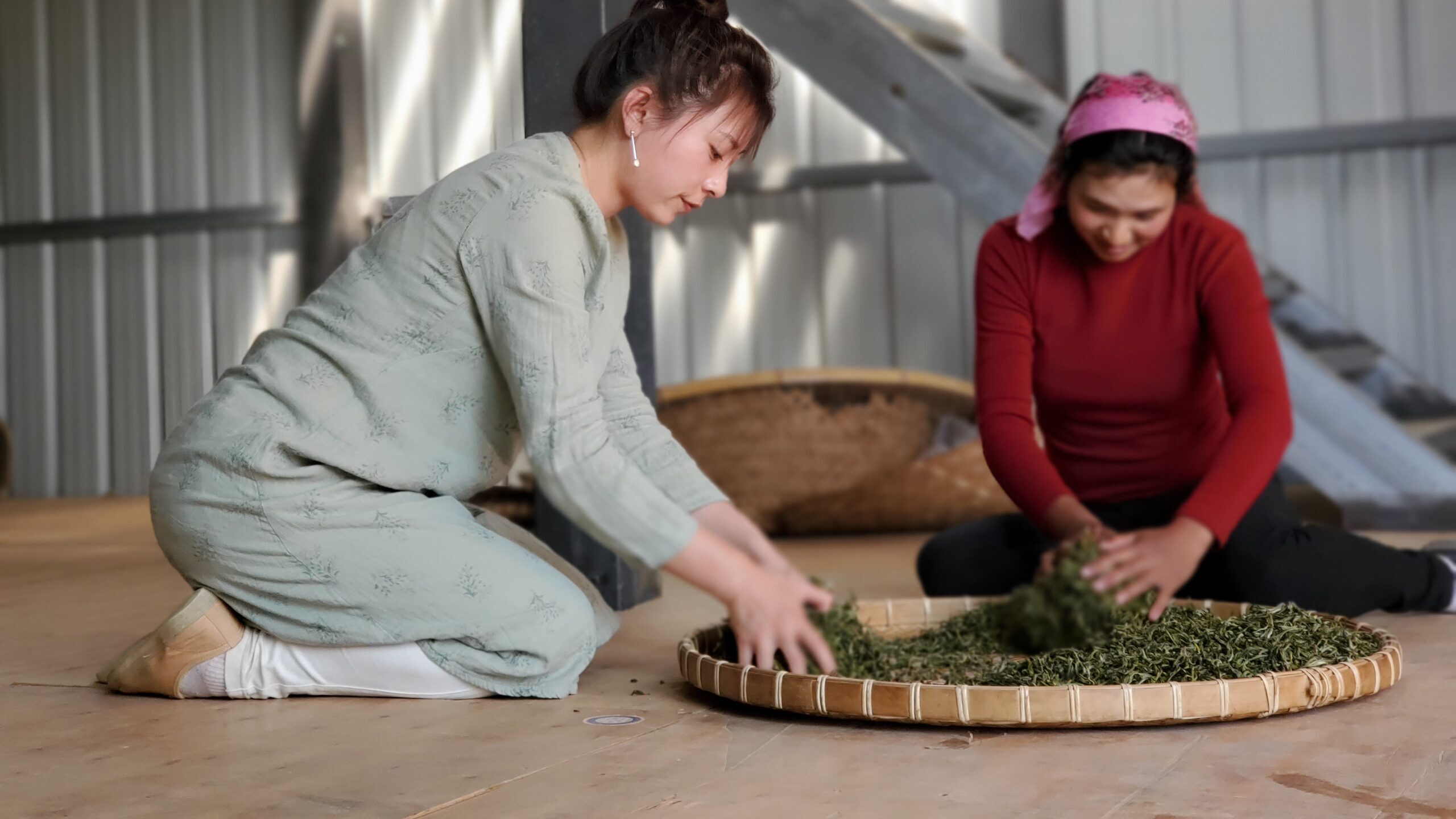
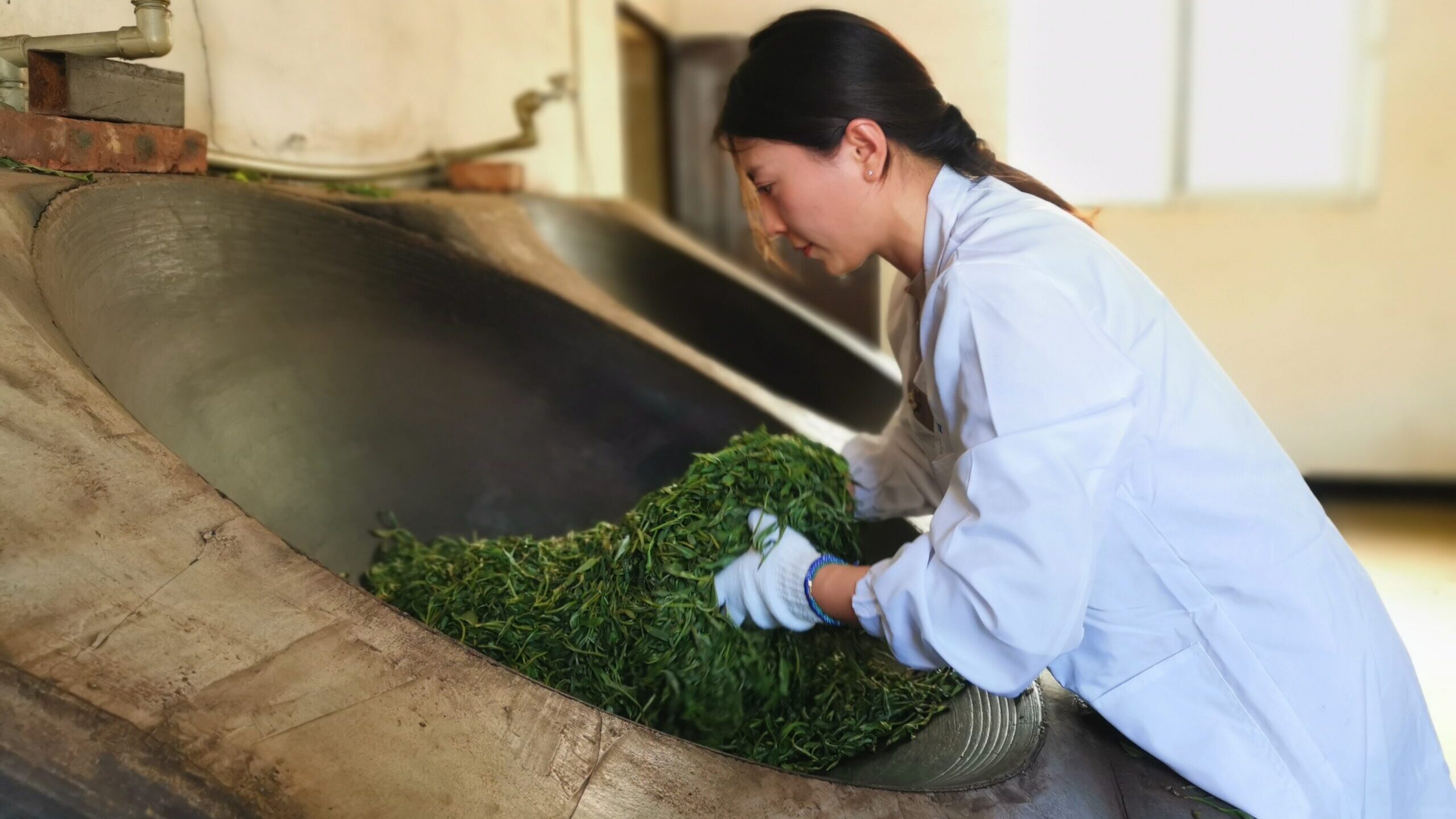
Processing is one of the biggest factors in what makes a good tea. After harvesting, tea leaves may be withered, steamed, pan-fired, rolled, oxidised, roasted, fermented, dried, or aged. Each step changes the aroma, colour, texture, and flavour.
Green tea is usually minimally oxidised, giving it a fresh, grassy, or vegetal profile. Black tea is fully oxidised, creating deeper notes of malt, fruit, spice, or caramel. Oolong tea sits between green and black tea, often offering floral, creamy, roasted, or fruity layers. Pu’er tea is fermented and may develop earthy, woody, mellow, or aged flavours over time.
Good processing brings balance. The tea should not taste burnt, overly bitter, sour, harsh, or lifeless. Instead, it should have a clean flavour, pleasant aroma, and smooth finish that reflects its tea type.
Freshness and Storage Protect Tea Quality
Even good tea can lose quality if it is not stored properly. Tea leaves are sensitive to air, heat, light, moisture, and strong odours. Because tea can absorb surrounding smells, it should be kept away from coffee, spices, cleaning products, perfumes, and scented candles.
Most teas are best stored in sealed packaging in a cool, dry, and dark place. This helps protect freshness, aroma, and flavour. Pu’er tea is slightly different because it is a fermented tea that can continue to age under the right conditions. If you are interested in aged tea, you can read Upon a Tea’s guide on whether Pu’er tea expires.
Fresh tea should smell lively and natural. If it smells damp, stale, mouldy, or chemical-like, it may no longer offer the best drinking experience.
Good Tea Should Brew Smoothly
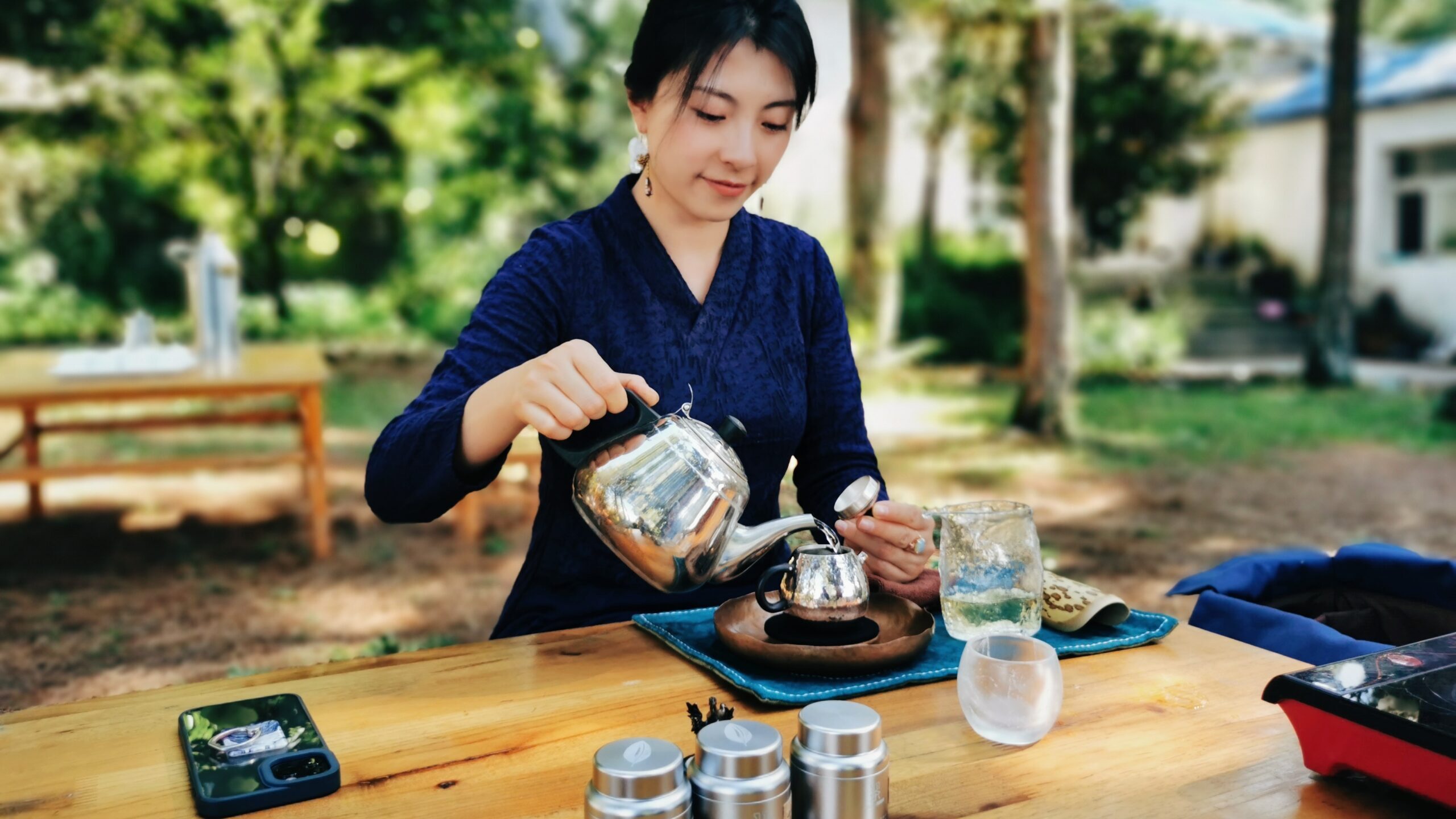
A good tea should perform well when brewed. It should release a pleasant aroma, balanced taste, and smooth mouthfeel without needing excessive sugar, milk, or flavouring to cover harshness.
Brewing technique also matters. Water temperature, steeping time, tea quantity, and teaware can all change the final cup. Green tea can become bitter if brewed with water that is too hot. Black tea and Pu’er tea usually handle higher temperatures well. Oolong tea can often be steeped multiple times, revealing new layers with each infusion.
High-quality loose leaf tea often gives more than one enjoyable brew. This is a strong sign that the leaves have depth, structure, and natural flavour.
A Good Tea Feels Balanced From Start to Finish
A good tea does not need to be the strongest, rarest, or most expensive option. What matters most is balance. The aroma, flavour, body, texture, and aftertaste should work together.
Some teas are light and refreshing. Others are rich, earthy, floral, sweet, roasted, or bold. A good tea should suit its style while still feeling clean and enjoyable. If the tea leaves a pleasant finish and makes you want another sip, that is often the best sign of quality.
Choose Tea With More Intention
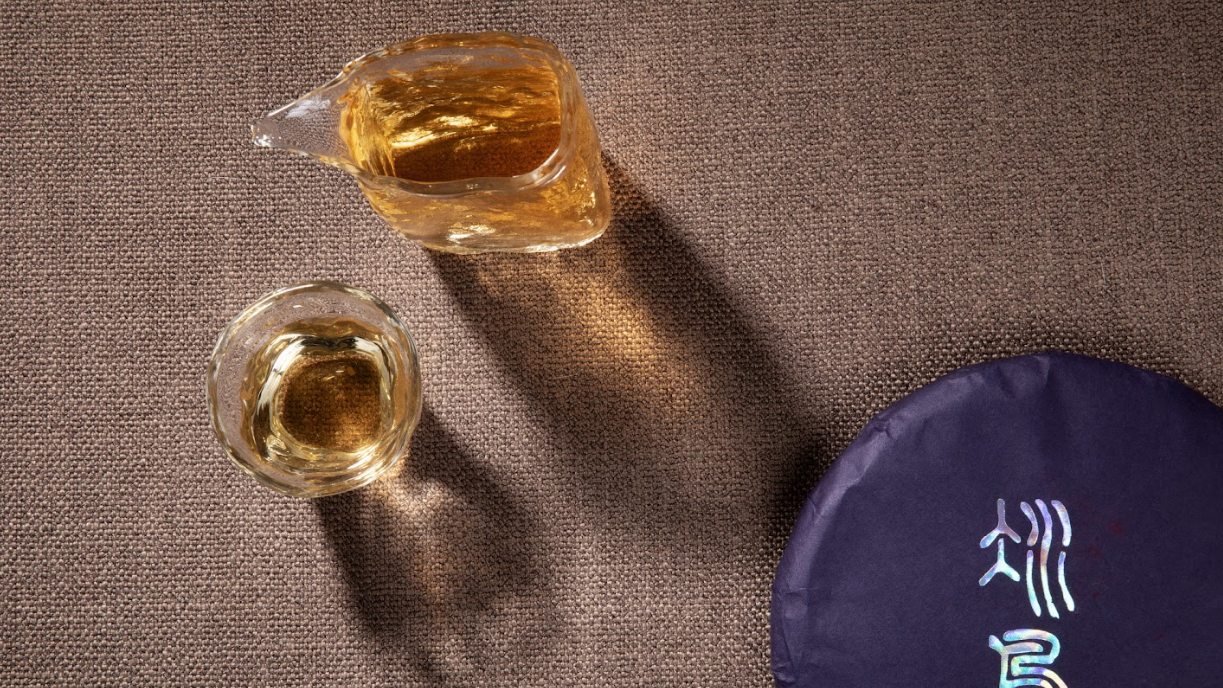
So, what makes a good tea? A good tea begins with quality leaves, thoughtful growing conditions, careful processing, proper storage, and the right brewing method. It should smell fresh, taste balanced, feel smooth, and offer a satisfying finish.
Upon a Tea offers thoughtfully selected teas for people who want a more meaningful daily tea ritual. Whether you enjoy green tea, black tea, oolong tea, white tea, or Pu’er tea, choosing good tea starts with understanding what quality looks, smells, and tastes like.